
Specialist since 2009
Brushless-motor intelligent control is the partner's core discipline, ESC architecture, firmware and drive electronics, rather than a peripheral product line.
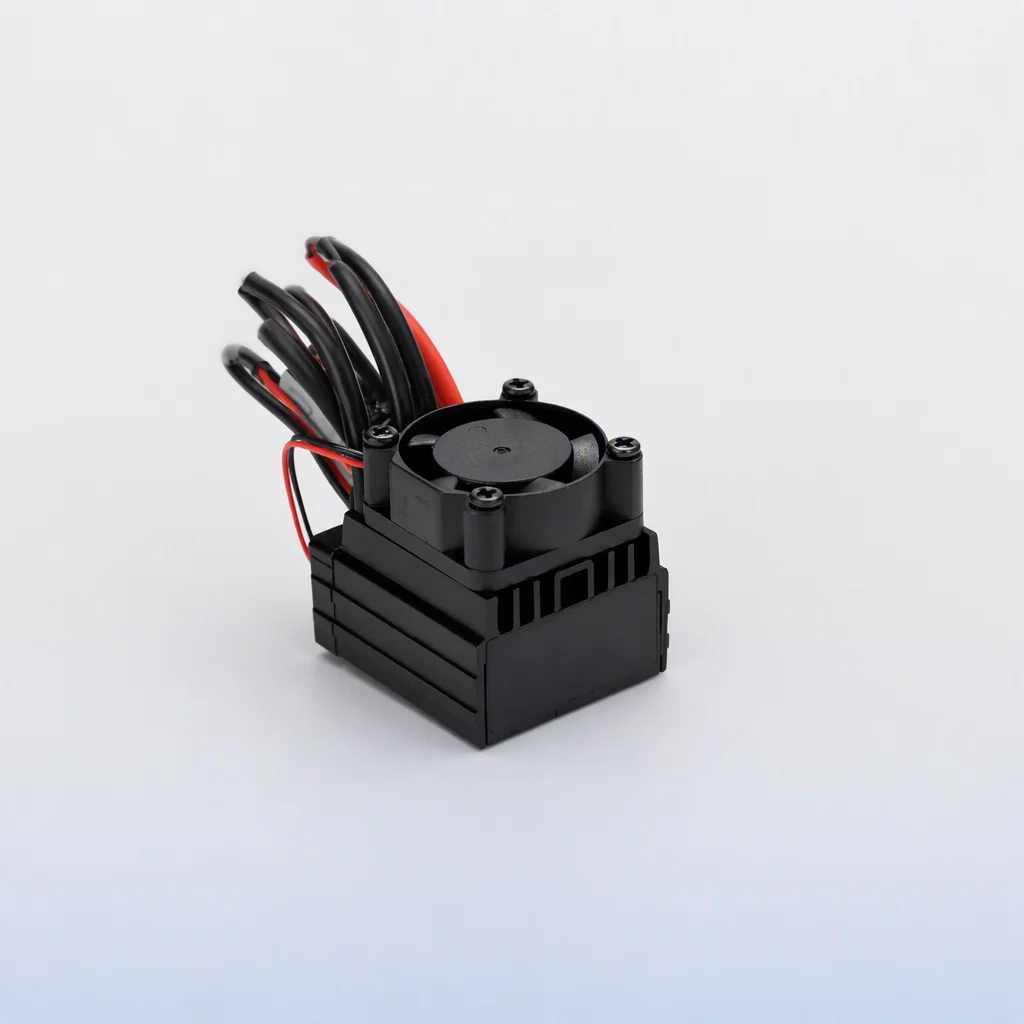
EMS Drone is built around the interfaces between control, power, propulsion, structure and mission, so sourcing, configuration and verification stay connected.
Our ESC, control and propulsion components are produced in a manufacturing partner facility established in 2009, a brushless-motor intelligent-control specialist with its own brand, independent IP, and products shipped to 80+ countries. The partner operates a documented ISO 9001 quality system and releases every ESC family with CE and RoHS conformity documentation on file.
Brushless-motor intelligent control is the partner's core discipline, ESC architecture, firmware and drive electronics, rather than a peripheral product line.
Products are shipped and supported in more than 80 countries and regions worldwide, with dealer and integrator recognition across agricultural, FPV, airplane-model, RC car and boat applications.
The manufacturing partner operates an ISO 9001:2015 quality management system, certified by an accredited body for the manufacture and sale of electronic speed controllers.
Product families ship with CE and RoHS conformity documentation, declarations and reports shown on our compliance wall in Quality & Certifications.
Every image below is a site photograph or an instrument photograph we can walk you to, no renders, no stock. Full production tour is on the Facility Tour page.
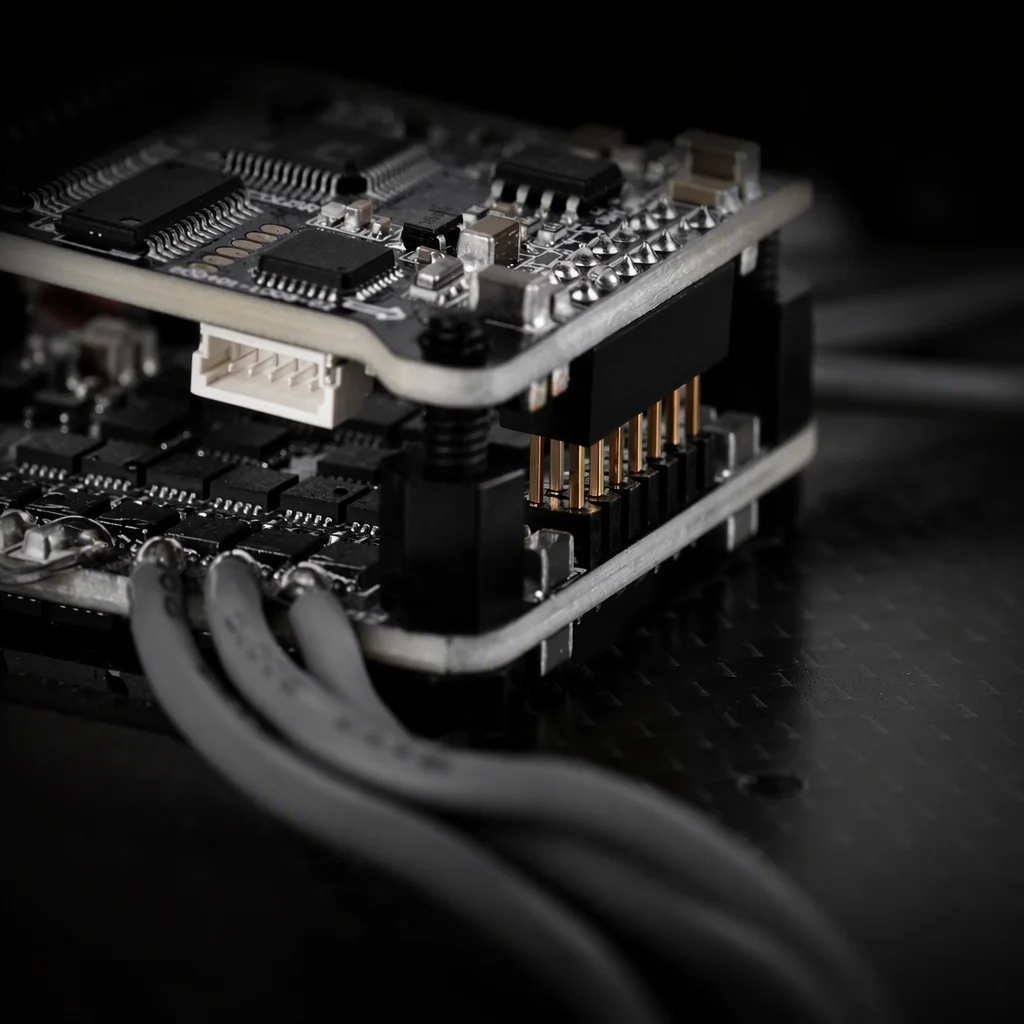
A populated ESC control stage with phase cables, photographed during inspection.
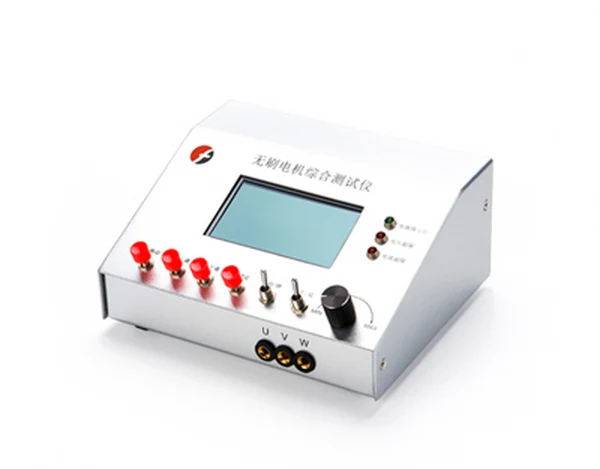
Brushless-motor comprehensive tester used for incoming and final checks at the QA station.
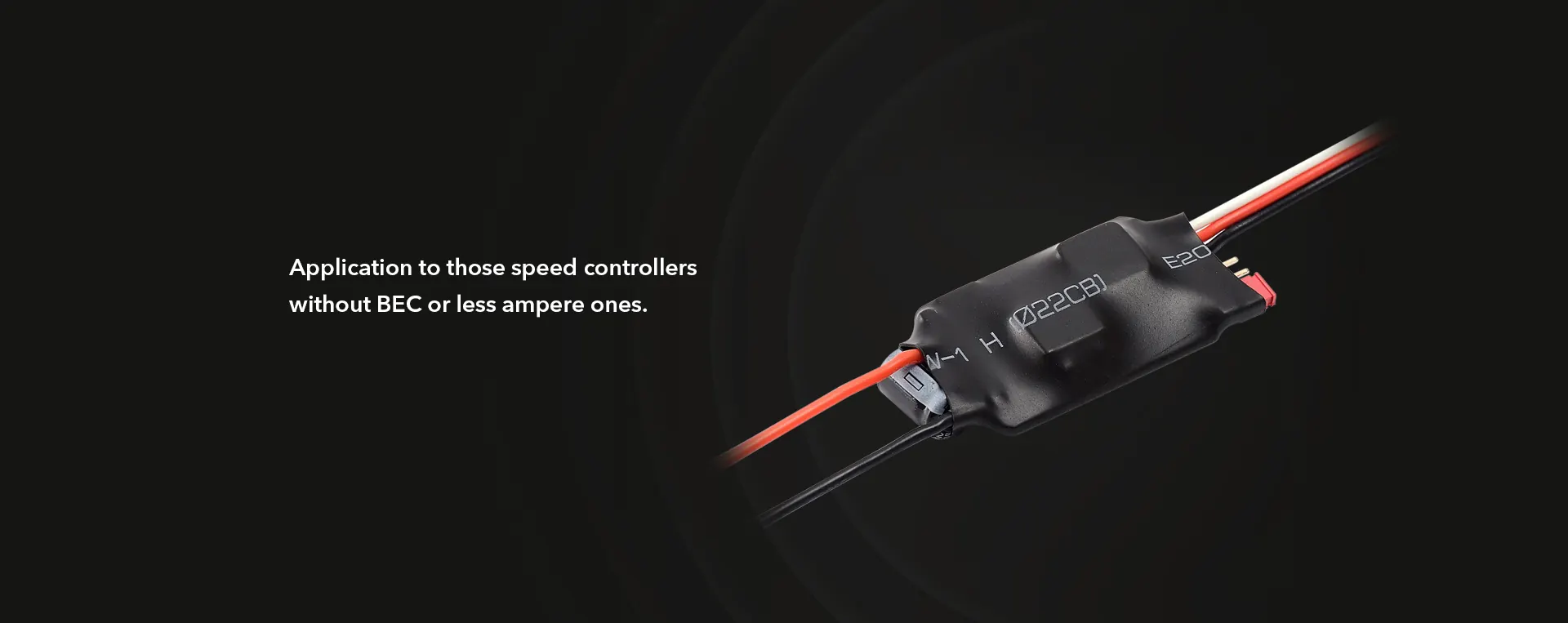
A BEC module as delivered in OEM programs, the part, not the concept.
A flight controller choice affects ESC protocol, power architecture, sensor wiring and firmware assumptions. Motor and propeller decisions change thermal and structural constraints. Payload interfaces reshape communication and airframe priorities.
EMS Drone organizes the conversation at the system level: which layers matter, how they connect, and how deep the build needs to go, component, matched stack or complete aircraft.
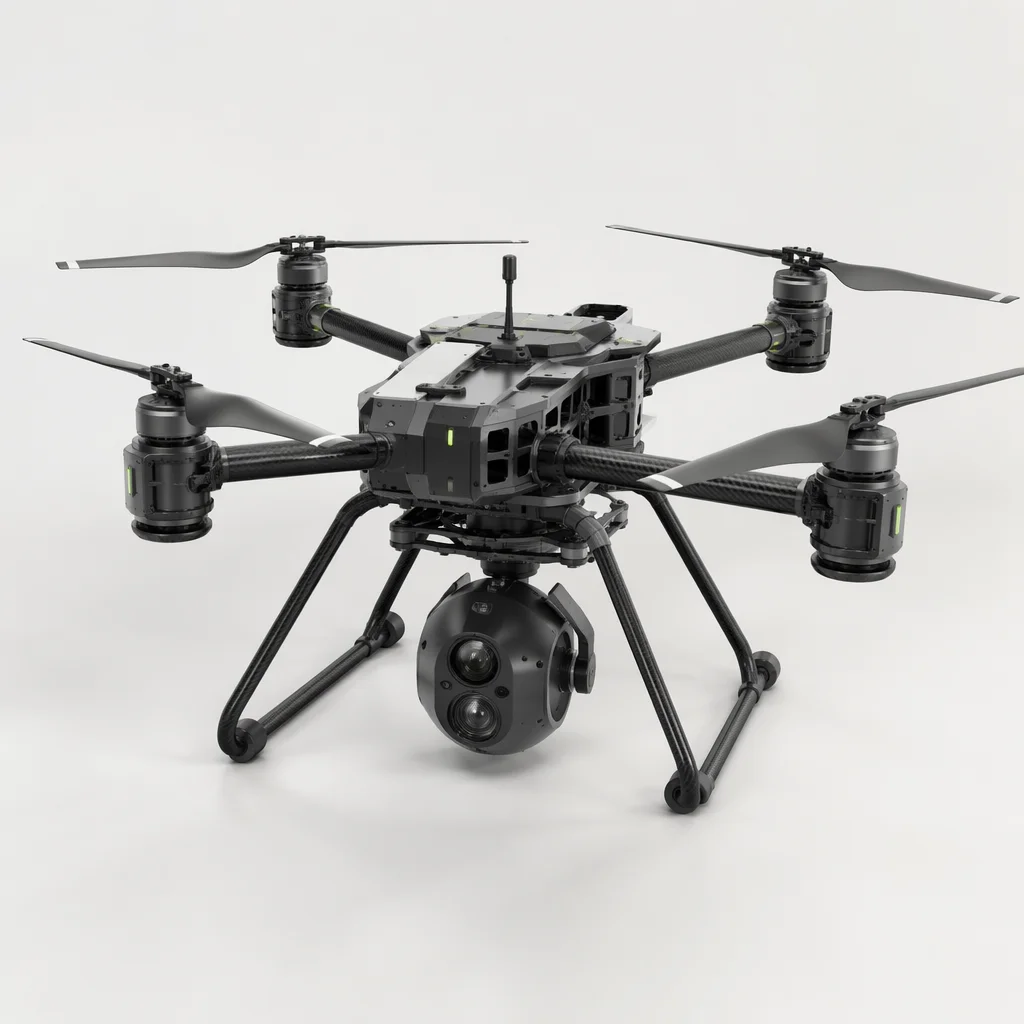
We map sourcing around dependencies, not as disconnected product lists.
Flight controllers, sensors, navigation and firmware alignment for the mission profile.
ESC, distribution, battery architecture and electrical interface planning.
Motors, propellers, structure and mechanical fit around the propulsion path.
Communications, payload interfaces, application context and complete platforms.
The same system map supports a single component RFQ or a full-aircraft configuration discussion.
Start with a part family or BOM, especially flight control and ESC, and review interfaces before lock-in.
Coordinate control, power or propulsion stacks so protocol, voltage and mechanical assumptions stay aligned.
Translate mission, payload and operating context into a configurable platform architecture.
Extend beyond sourcing into bench checks, parameter review and flight-readiness preparation where needed.
This page describes how we organize the supply chain and engineering conversation. Specific options, ranges and delivery details are reviewed against each project brief.
Tell us the aircraft type, payload, interface questions or complete-system goal. We will use that brief to frame the engineering conversation.